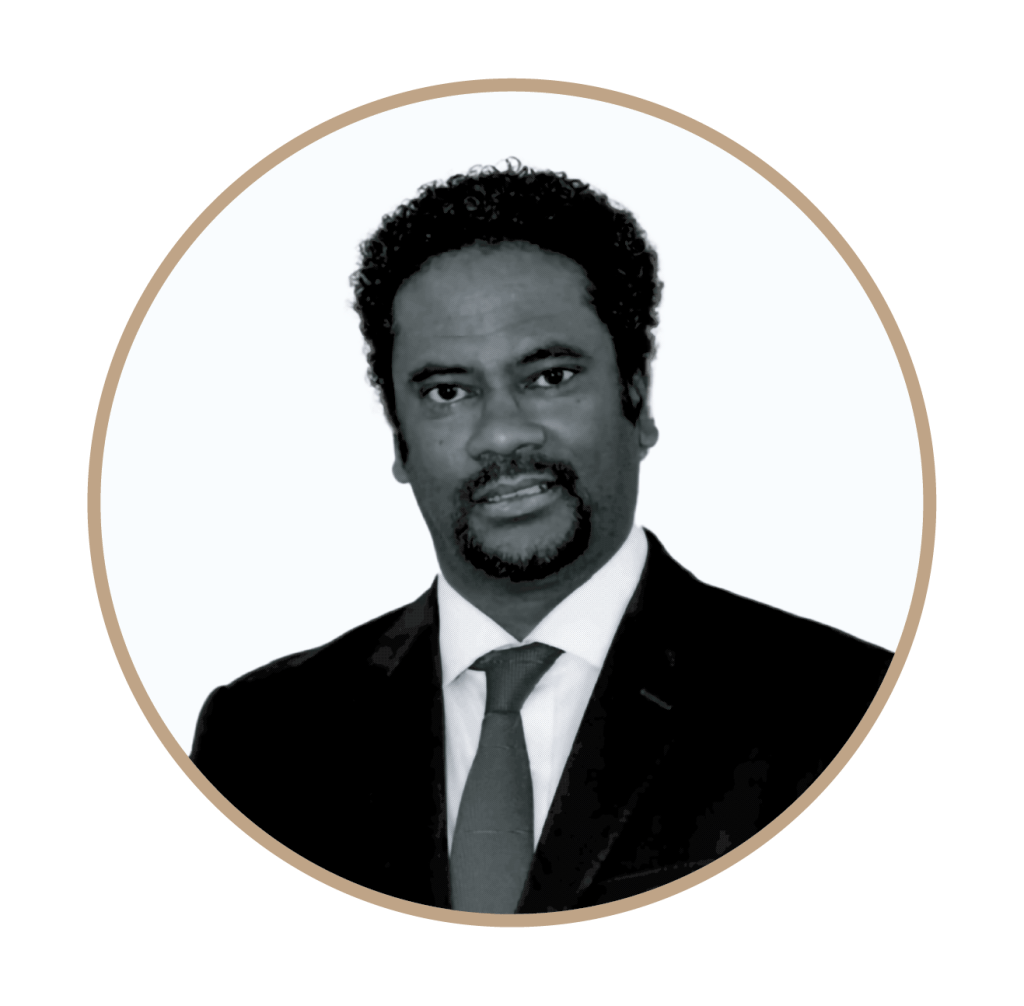
Biruk Mekonnen
Ambassador Extraordinary and Plenipotentiary of the Federal Democratic Republic of Ethiopia to the United Kingdom of Great Britain and Northern Ireland
Ethiopia is at a defining moment in its history, where the choices made today will determine the future of its unity, peace, and prosperity. At the heart of this transformative process lies the Ethiopian National Dialogue, a vital effort to address the deep-rooted political, social, and ethnic divisions that have defined Ethiopia’s modern history.
It is an honour to share with you the significance of this initiative and to shed light on some common misconceptions sur rounding it. Though the road ahead is challenging, it offers hope for a united, peaceful Ethiopia—an Ethiopia where dialogue, respect, and cooperation are the foundation of its future.
A Journey Toward Unity
National dialogue is not just about exchanging ideas—it is about creating the space for a country to heal and come together. For Ethiopia, a nation marked by its rich ethnic diversity, political complexity, and long history, dialogue is not just essential; it is transformative. It is a tool that, if wielded with sincerity and commitment, can begin to untangle the deeply entrenched divisions that have, at times, fractured the country.
By facilitating conversations that span ethnic, political, and regional lines, national dialogue nurtures understanding and cooperation. It allows for healing of historical wounds, provides an avenue for addressing long-standing grievances, and creates a platform for Ethiopians to coalesce around a shared vision of the future. This is not a process designed to yield im- mediate results but one that will take time, persistence, and the collective will of the people. The Ethiopian National Dialogue Commission (ENDC), established to steer this effort, has dedicated itself to making sure every voice, including the most marginalized, is heard.
ENDC: A Catalyst for Change
The Ethiopian National Dialogue Commission (ENDC) was created in 2021, through Proclamation No. 1265/2021, to foster the broad, inclusive dialogue that Ethiopia so urgently needs. This was not merely a reactive move; it was a proactive one, driven by the understanding that Ethiopia’s challenges cannot be overcome through conflict or division. To find resolution, Ethiopia needed an institution dedicated to facilitating genuine conversations—a forum for all Ethiopians, from every corner of the country, to express their hopes, concerns, and dreams for the future.
Operating with full independence, the ENDC has worked diligently to include diverse perspectives in its discussions. It has engaged communities, political parties, civil society groups, regional leaders, and the Ethiopian diaspora, fostering an inclusive dialogue process that aims to represent the full spectrum of Ethiopian voices. The Commission’s role is not to dictate outcomes but to create a conducive environment for meaningful, respectful con- versations.
Addressing Misconceptions: Inclusivity and Legitimacy
As with any large-scale initiative, there have been critics of the ENDC’s approach. Some have raised concerns about the fairness and inclusivity of the process, especially regarding the representation of opposition groups and regional stakeholders. Others have questioned the influence of political elites in shaping the dialogue’s direction.
It is essential, however, to understand that the ENDC has made concerted efforts to ensure a broad, inclusive representation. The Commission’s outreach has spanned the political and ethnic spectrum, seeking input from a range of stakeholders— from opposition groups to civil society organisations, from regional leaders to ordinary citizens. Moreover, the ENDC’s efforts extend beyond national borders, ensuring that Ethiopians living abroad are also included in the dialogue.
The Commission is committed to neutrality and impartiality. It operates independently, and its purpose is to create a space where all voices can contribute freely. The ultimate goal is to facilitate an environment where Ethiopia can move beyond division and toward a shared future—one shaped by cooperation, respect, and a collective commitment to peace.
Progress and Promise: The Road Ahead
The dialogue process has already made significant strides. Consultations have taken place across Ethiopia, from Oromia to Amhara, and, most recently, the Commission has announced plans to begin the agenda-setting process in the Tigray region. This marks a significant moment—offering the opportunity for swift and decisive action to- ward lasting peace. The voices of the people in Tigray will now have an opportunity to shape the region’s future, contributing to the national con- versation.
Although challenges persist, especially in some areas affected by recurring skirmishes, the ENDC remains unwavering in its commitment to bringing all Ethiopians into the process. Reconciliation and peacebuilding are not quick fixes; they are long-term endeavours. But the dialogue process is an important step toward a better future—a future where every Ethiopian feels heard, valued, and represented.
Global Inspiration: Learning from Other Nations
Ethiopia is not alone in its pursuit of reconciliation. Around the world, countries such as South Africa and Colombia have demonstrated that dialogue can be a powerful tool for overcoming division and building lasting peace. The most important lesson from these examples is the value of inclusivity. In successful dialogues, all stakeholders—whether from the government, opposition, or civil society—must have a seat at the table. For Ethiopia’s dialogue to succeed, it must embrace every actor, including opposition groups, marginalized communities, and regional leaders, and for this, each and every stakeholder should have the responsibility to contribute positively towards the success of the dialogue process.
Another key lesson is patience. Dialogue is not a quick solution. It requires time, trust, and the willingness to engage in difficult conversations. But Ethiopia’s journey toward reconciliation is one that must be embraced— because the stakes are too high for the future of the nation.
Looking to the Future: A Unified Ethiopia
Ethiopia’s vision for the future is one where unity does not diminish its diversity but celebrates it. The national dialogue aims to create a framework of governance that is inclusive, just, and fair for all Ethiopians—regardless of their ethnic or political background. The dialogue is not a panacea for all the country’s challenges, but it is an essential step toward a cohesive, peaceful, and prosperous Ethiopia.
By addressing key issues such as governance, resource distribution, and political representation, the dialogue seeks to create a foundation where every citizen has the opportunity to thrive. This is Ethiopia’s ambition: a country where all its people, no matter their ethnic or regional identity, can live and prosper together in peace.
The Role of the International Community
The international community has a critical role to play in supporting Ethiopia’s national dialogue. While this process is Ethiopian-led, the encouragement and expertise of international partners can provide invaluable assistance. International partners can help by offering technical support and fostering trust between stake- holders. At the same time, it is vital that international actors discourage any entities that place unnecessary preconditions on peace—entities that put price tags on dialogue, thus potentially derailing a process that holds the promise of long -term reconciliation. The international community’s role should focus on creating a supportive environment for genuine dialogue—one that is free from external pressures that could destabilize the process. The true support for Ethiopia’s dialogue will come from maintaining its integrity and ensuring it stays true to its peaceful and inclusive goals.
A Shared Vision for Ethiopia’s Future
Ethiopia stands at a critical moment in its history, and the national dialogue represents an historic opportunity to overcome internal challenges and create a more inclusive, democratic society. The Ethiopian National Dialogue Commission has made significant progress, and while the journey ahead is long, Ethiopia remains commit- ted to this transformative process.
We invite the international community—and all Ethiopians—to join us on this important journey. Together, we can ensure that Ethiopia’s future is one of lasting peace, stability, and prosperity for all.●
This article originally appeared in 01 June 2025 Edition of The Brief, a monthly online dispatch from the Ethiopian Embassy London.

Leave Your Comments Here