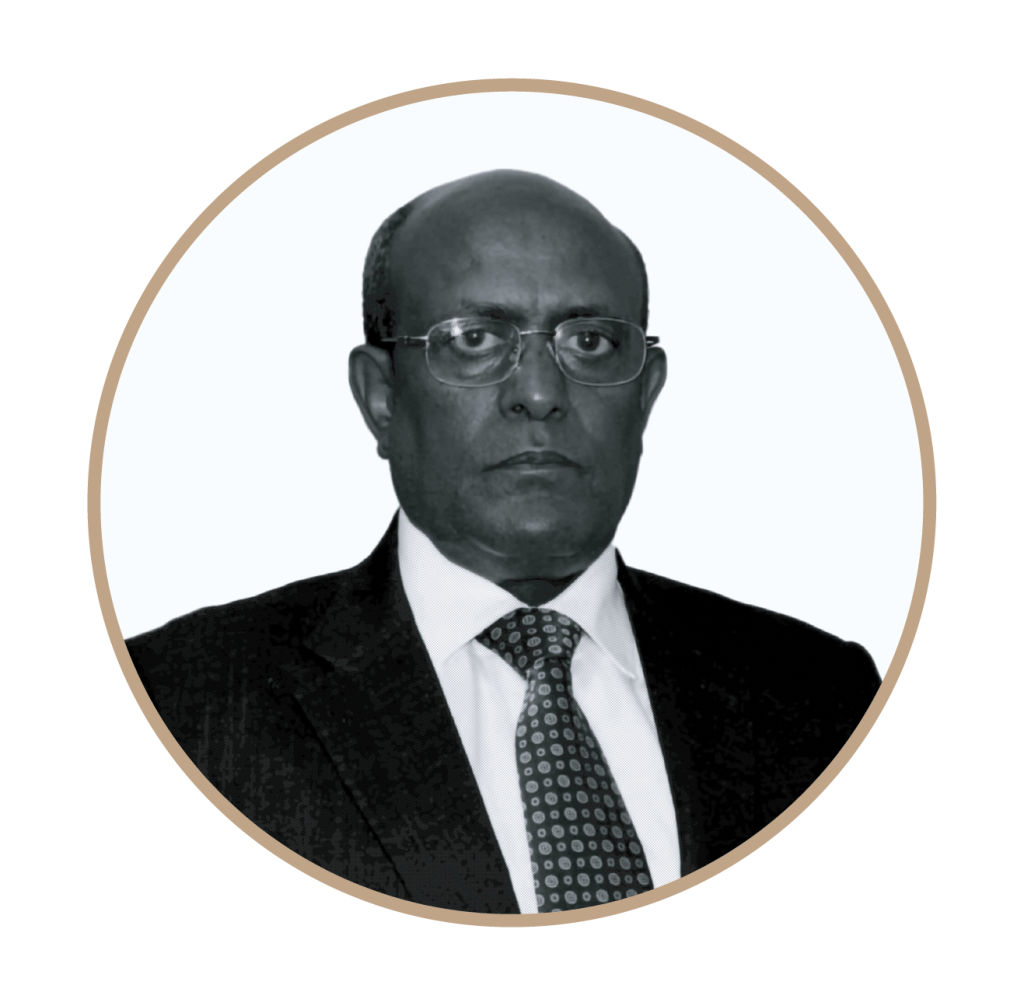
Eshete Tilahun
Ambassador Extraordinary and Plenipotentiary of the Federal Democratic Republic of Ethiopia to the Kingdom of Belgium
The Third African Union–European Union Ministerial Meeting, held in Brussels on May 21, 2025, offered a timely opportunity for both Unions to reaffirm their shared priorities and assess progress under the Joint Vision for 2030. Co-chaired by the European Union’s Foreign Policy Chief and Angola’s Minister of External Relations, the meeting brought together foreign ministers from across the African Union Member States and European Union Member States to review key commitments, address challenges, and shape a forward-looking agenda.
At the heart of the discussions was the Global Gateway investment package with the proposed resources of €150 billion, an initiative that seeks to transition the Africa-EU partnership from an aid-based relationship to one driven by sustainable investment. With priority areas spanning from digital and transport infrastructure, healthcare, education, climate resilience to youth employment, the initiative aims to unlock Africa’s vast development potential through strategic and long-term engagement. Ministers explored how to ensure that these priorities translate into action, particularly by mobilizing private sector support and building inclusive, resilient economies.
The meeting also served as a forerunner to the upcoming EU-AU Summit, which will be hosted in Africa and coincide with the 25th anniversary of the partnership. Discussions were structured around four thematic pillars: peace and security, multilateralism, shared prosperity, and mobility and migration. While African countries emphasized development and conflict prevention, the European side focused on migration management and multilateralism including institutional reforms. The dialogue reinforced the importance of tackling root causes of instability, deepening cooperation on governance, and delivering on the commitments outlined in Africa’s Agenda 2063.
Ethiopia participated actively in the meeting, where Foreign Minister Gedion Timothewos contributed particularly in the plenary session on prosperity. He presented Ethiopia’s vision for development and equitable partnership. The Minister underscored the importance of scaling up investment through the Global Gateway initiative and emphasised the need for measurable outcomes that move beyond policy declarations. He reaffirmed Ethiopia’s commitment to continental institutions and programs such as the African Continental Free Trade Area (AfCFTA), the Comprehensive Africa Agriculture Development Programme (CAADP), the Programme for Infrastructure Development in Africa (PIDA), and renewable energy investments.

© 2025 The AP. All rights reserved
Minister Gedion also emphasised that specific regulatory concerns, particularly regarding the European Union Deforestation Regulation (EUDR), advocating for greater alignment with Africa’s trade frameworks such as the Everything But Arms agreement. He called on Member States to pay attention on the necessity to protect smallholder farmers from unintended consequences of abrupt regulatory changes. Closer collaboration in digital innovation, artificial intelligence, and data infrastructure, the Minister underlined serve as catalysts for shared prosperity.
On the side-lines of the meeting, Ethiopia held bilateral consultations with several European and African foreign ministers, as well as EU Commissioners responsible for international partnerships and migration. These discussions centred on optimizing development financing models. Ethiopia expressed its support for direct investment and government-led programs, allowing for more efficient use of resources by reducing administrative overhead. The Minister highlighted that Ethiopia’s ongoing macroeconomic reforms and improved business climate are well aligned with the strategic objectives of the Global Gateway.
Migration is also featured prominently in bilateral talks. While expressing concern over recent EU decisions that have presented challenges to the spirit of partnership, Ethiopia restated its continued cooperation with EU Member States. Both sides echoed their respective responsibilities and commitment to dialogue. They agreed the cooperation at the bilateral level should take into account the need to preserving the integrity of the broader EU-AU framework.
The Ministerial Meeting concluded with the adoption of a joint declaration and the presentation of a preliminary monitoring report by the AU-EU Follow-Up Committee. These documents outlined key areas of progress and highlighted the importance of renewed focus and accountability moving forward.
The European Union remains Africa’s largest trading partner, with total trade amounting to €467.2 billion in 2023. Ministers discussed the timeliness of enhancing value addition within African economies and agreed that reformed mobility policies would help strengthen people-to-people ties.
Provided its expanding agricultural production, untapped mineral resources, and rapidly growing tourism sector, Ethiopia stands out as a strong destination for increased investment from Europe. Recent economic reforms and an improved regulatory environment in Ethiopia offer promising returns for investors seeking long-term businesses.
As Ethiopia continues to implement its development vision and contribute to regional integration, it remains committed to a robust, equitable, and forward-looking partnership with the European Union. The Ethiopian Embassy in Brussels keeps fully engaged in supporting and strengthening this relationship across all sectors—from diplomacy and trade to educational cooperation, innovation, and sustainable development.●
This article originally appeared in 01 June 2025 Edition of The Brief, a monthly online dispatch from the Ethiopian Embassy London.

Leave Your Comments Here